Tag: snaps

Spare Change
‘Goodness me. What pigs people are to through rubbish in the hollowed out interconnecting heroes of yesterday. Your suggestion of standing hotels is a grand idea.’ – James Sullivan, Artist.
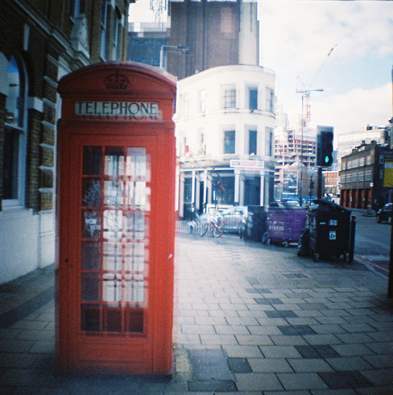
On my recent local wanders I’ve become interested by the sightings of public phone boxes, more often than not in a very poor state, usually covered and packed with rubbish, smashed and hanging on their hinges or all of the above.
Never in use and rarely even noticed, they feel like remnants of a previous time; metal and glass ghosts of the high street, once so handy for keeping in touch with and chasing people down, yet now almost entirely void of purpose, if not for the shelter they provide all sorts of combinations of trash sat inside them, swept in by the wind or in some cases, seemingly arranged by somebody that’s nowhere in sight.
I always wonder why the local authorities don’t remove them to replace with trees or simply make life easier for blind people, before concluding they’re subtle beacons tracking our every move, transmitting mind controlling ideas or more probable, raking in advertising revenue. Besides, where would drunk people piss?
Whether they should be reclaimed and repainted by the people and turned into one man libraries and standing hotels or pulled down entirely is for the public to rise up and decide. I’m just asking the question.


Indecision.
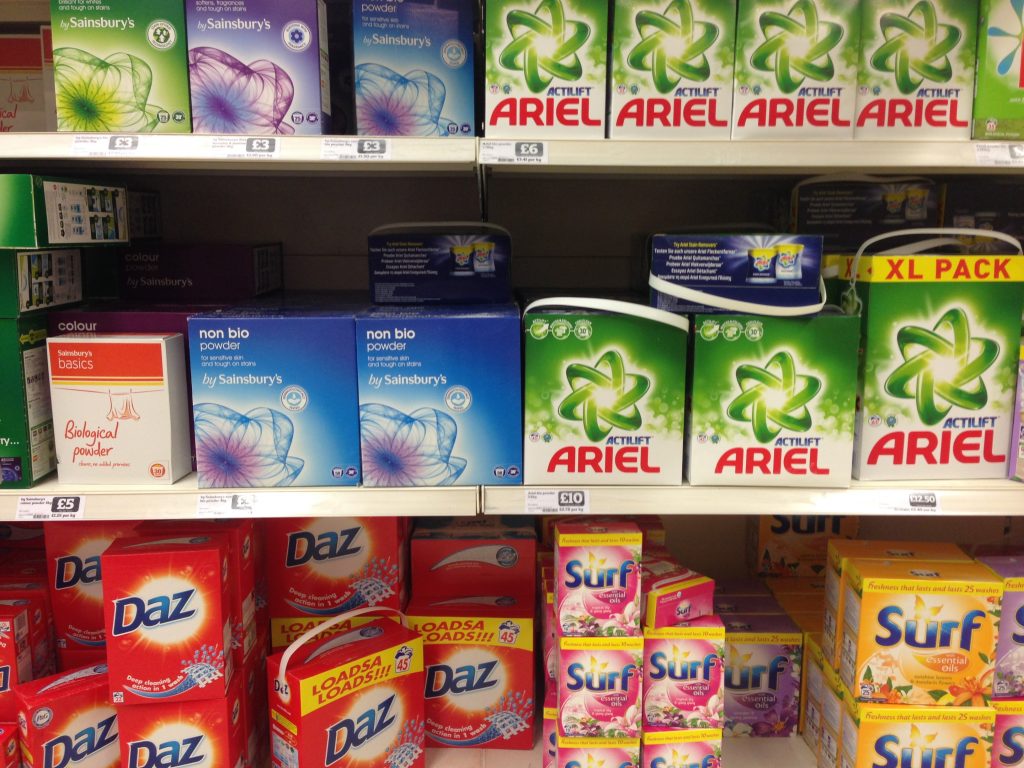
Christmas clear out.
Click and hover around the image to load more detail.
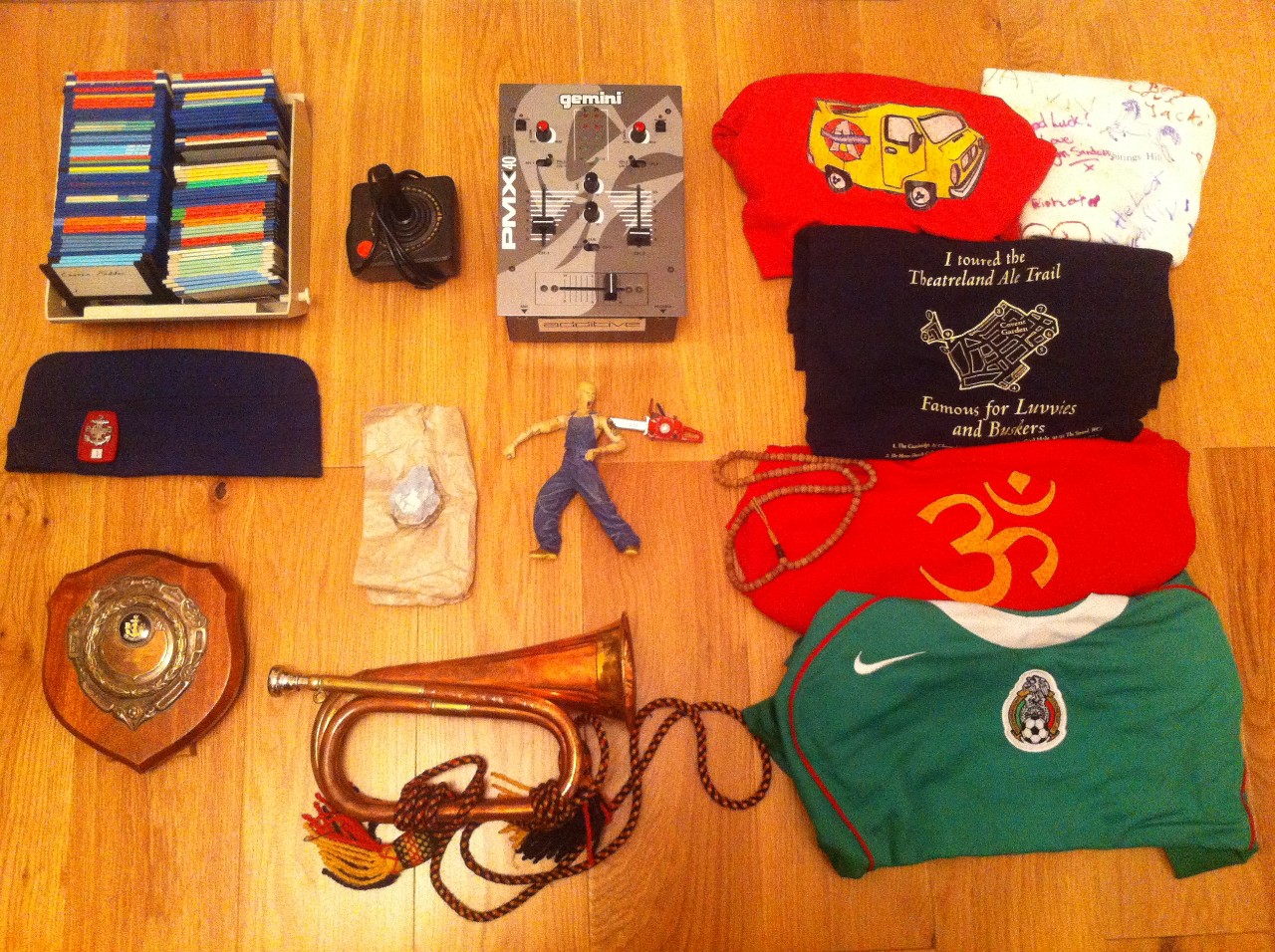
Life’s a post and then you die or: Would you like to be remembered this way?
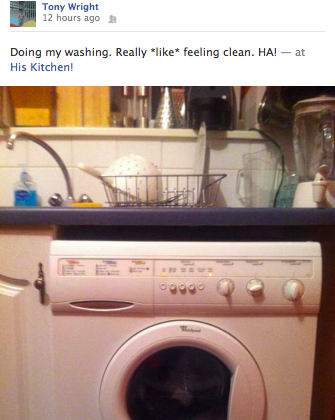
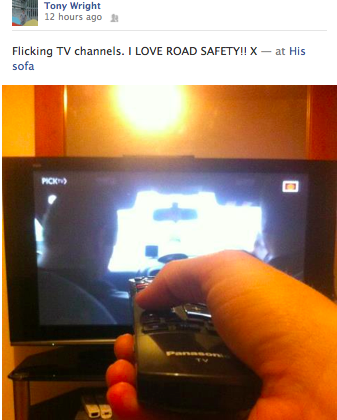
Coming to terms with the past.
I stacked shelves in a supermarket all the way through my A Levels. It was the first time I ever had money and the last time I didn’t have to pay rent and bills. Purchasing things, anything, made me happy. The 307 bus stopped outside my school and drove 45 minutes to Enfield’s HMV. In lunch breaks and instead of bunked lessons, bargain buckets and 3 for 2 deals became my crack.

Going away.

School trip.
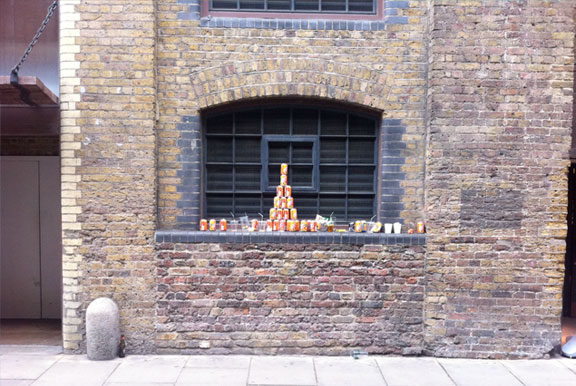
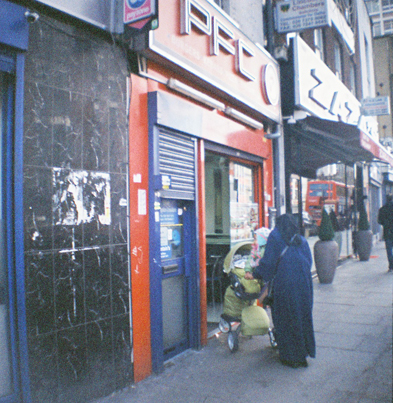
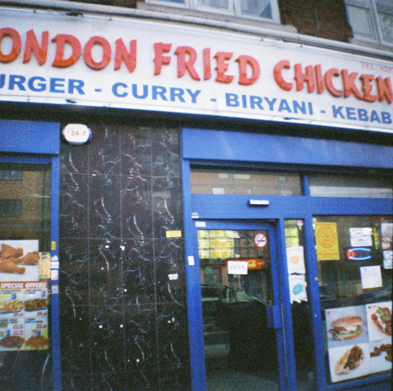
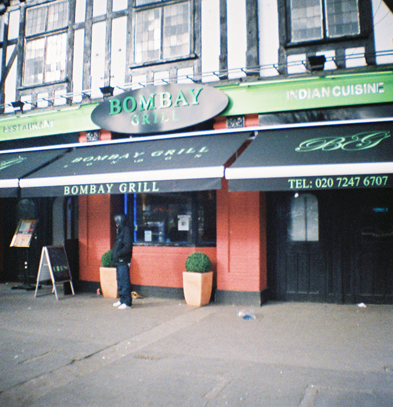
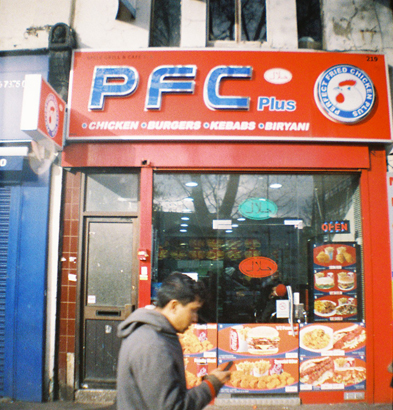
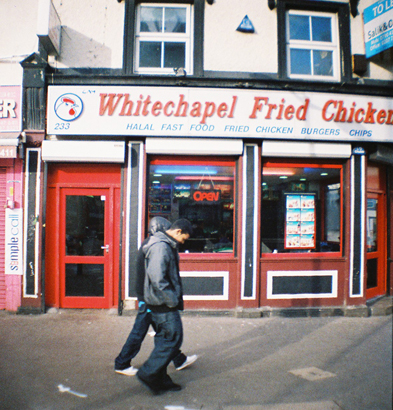
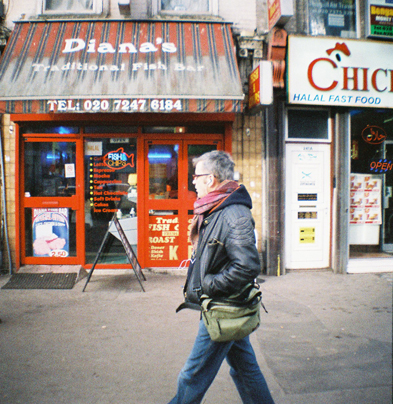
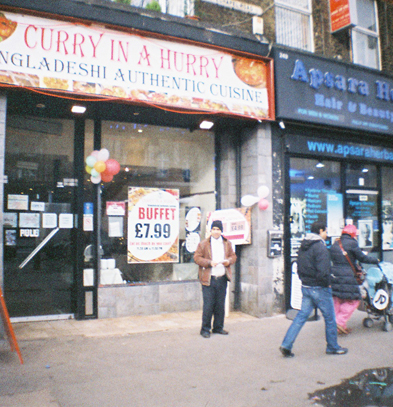
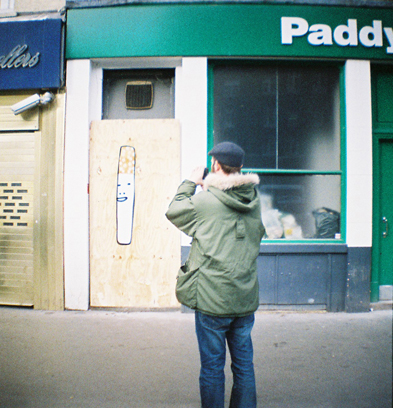
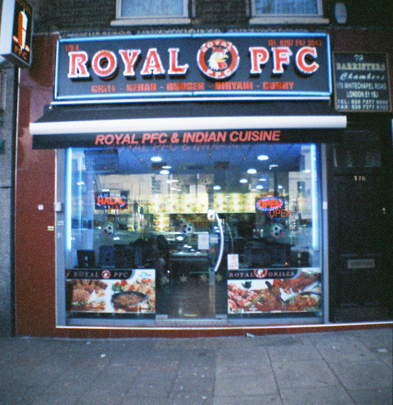
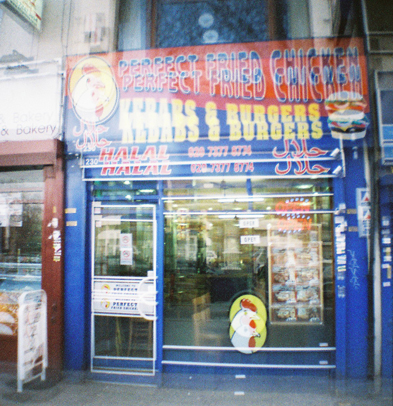
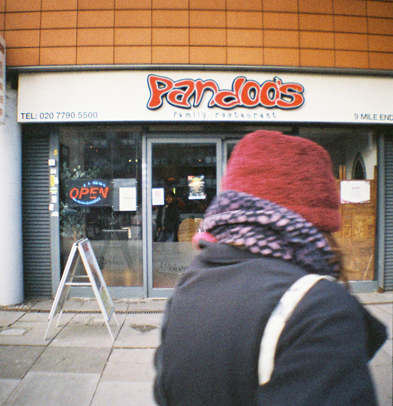
Road to 2012 / Chicken Mile
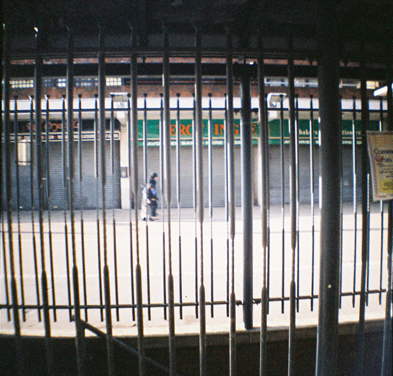
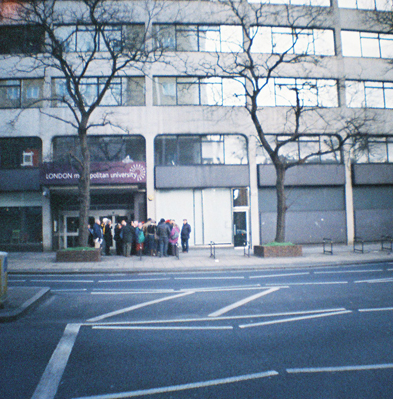
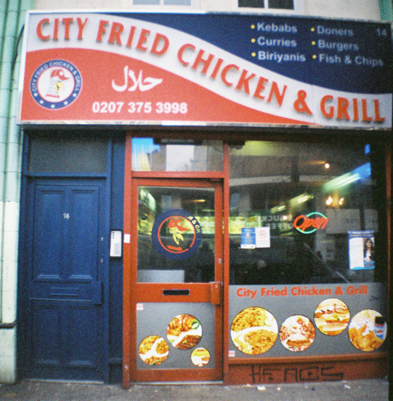
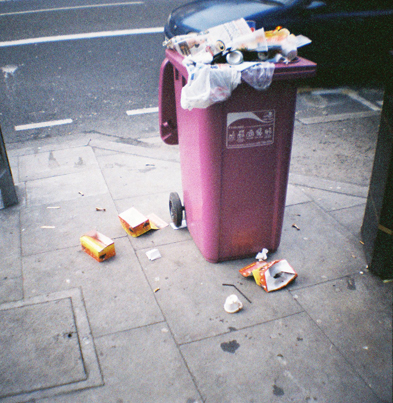
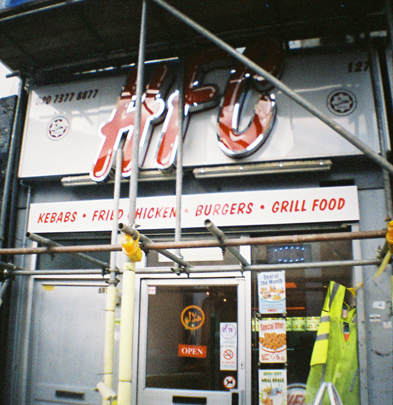
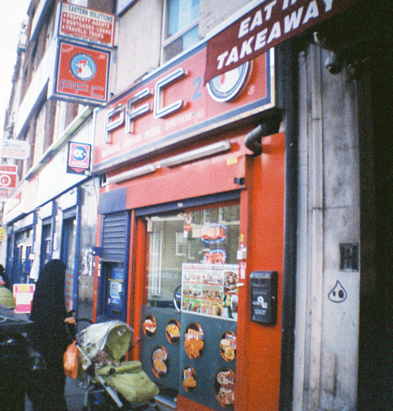


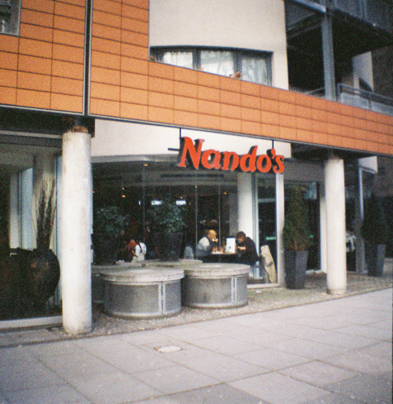
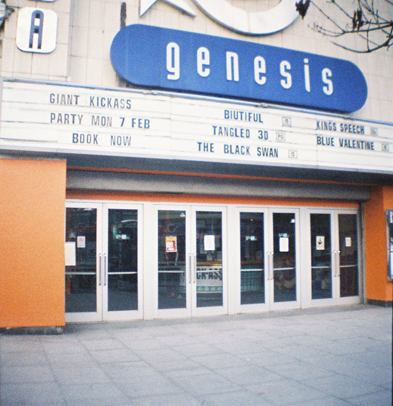
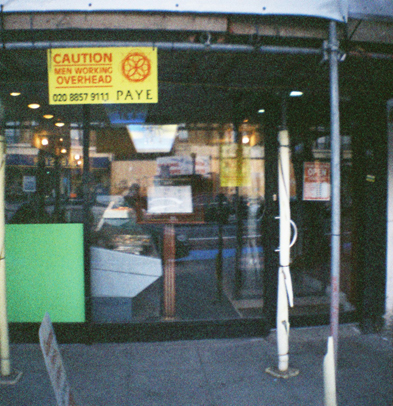
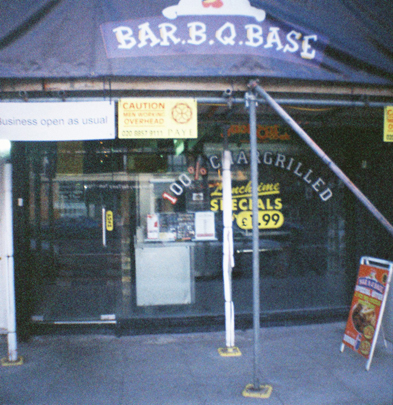
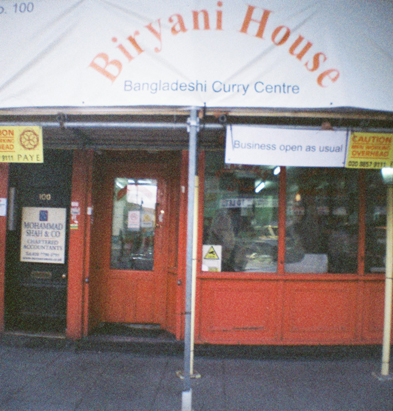
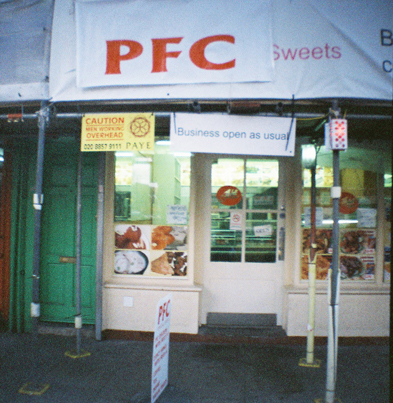
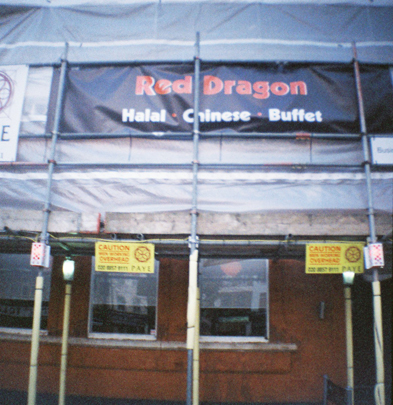
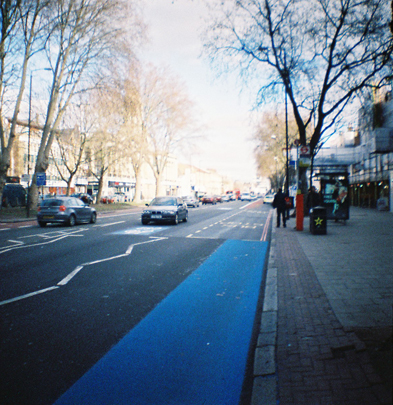
Local support
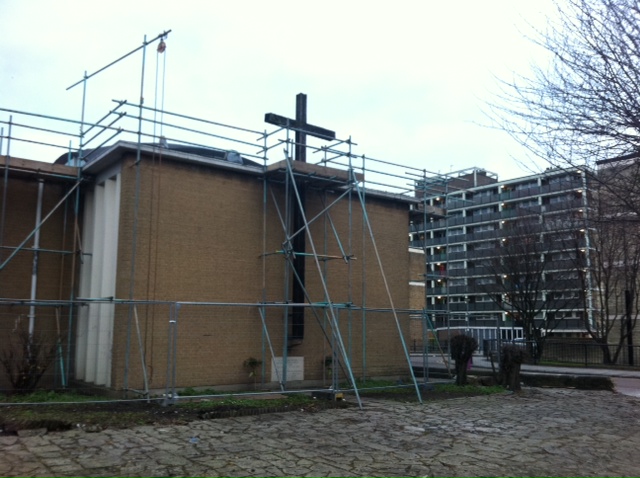
Just another ‘I heart Lomography’ post
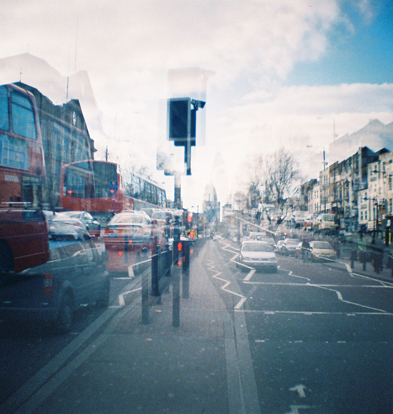
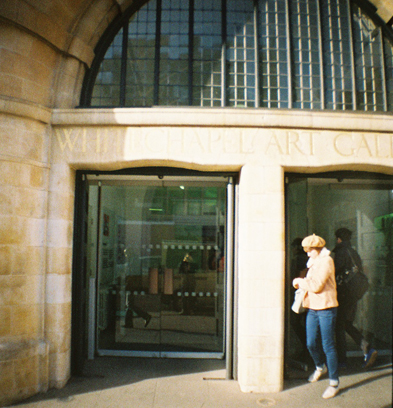
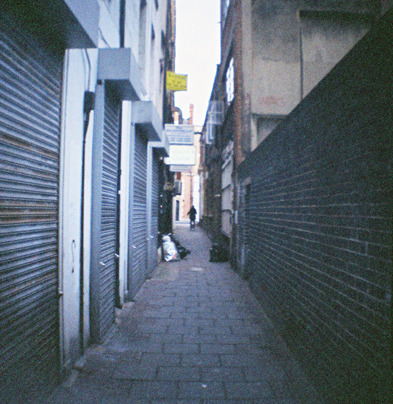
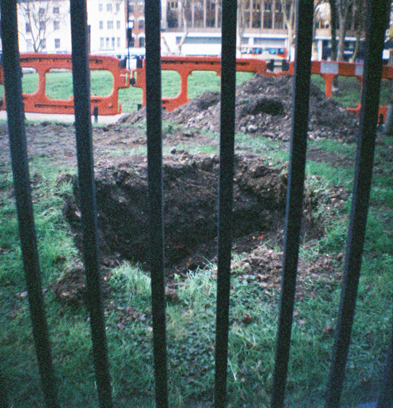
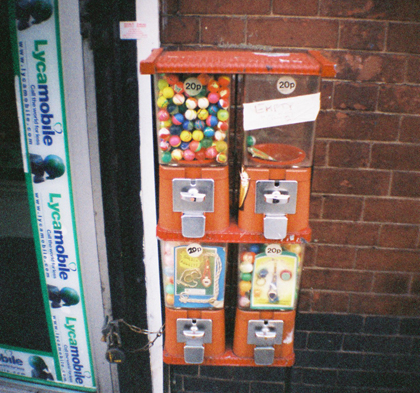
As a leaving present from my last workplace I was given a Diana Mini. I’d seen the Lomography style of photography before but didn’t know anything about the camera and story behind it. Delighted with my new retro chic toy, I sat with Emma DB excitedly loading my first film into the device. A whizz through of the gift box’s delightful Shoot Forever booklet later, I was on my way, snapping through a film that I’d read could deliver up to 72 shots.
As I’m sure everyone who owns a Diana initially experiences, the lack of a digital display initially had my technology addicted mind somewhat thrown. How do I know what i’m taking’s like? Can you not delete the bad ones before the house party ends and pose cooly ahead of instant Facebook uploads? After a couple of outings and a further read up on what the small, blue object can do, my questions moved away from those of a digital junkie and towards that of an analogue advocate.
The beauty of the Diana Mini that I have come to love is the element of surprise in not knowing what you’ve got until the lady at Sainsbury’s photo counter passes you your prints. The lack of batteries required, the mechanical clicks of rotating the film on, the high pitch buzz of the flash bulb warming up and the numerous options available ahead of the shot has me wanting the camera on me everywhere I go.
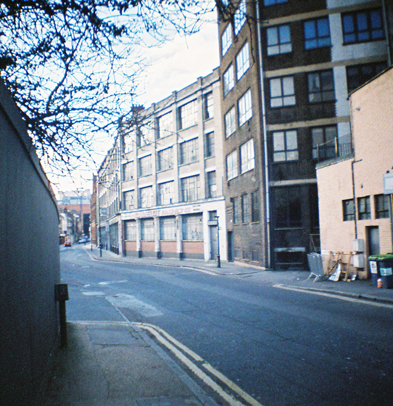
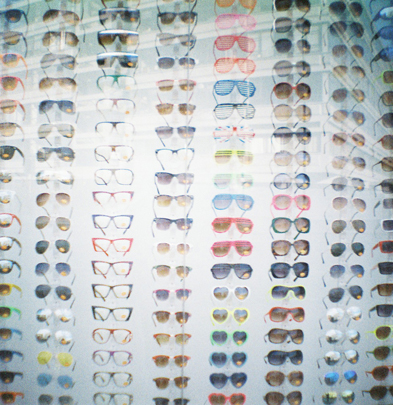
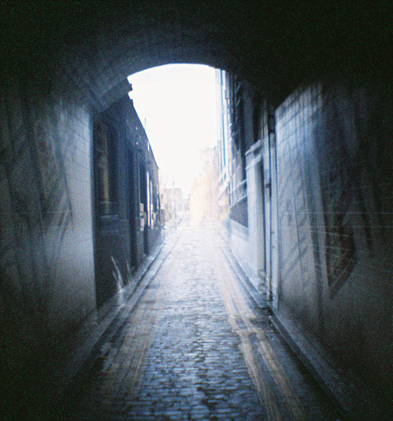
Numerous blogs and a guy at my new workplace alluded to the potential disappointment of somebody’s first Lomography film’s development but I’m fairly happy with what I got back. Granted, in many instances I’ve gone absolutely overboard with multiple exposures on one frame. I’ve also been tinting the flash bulb with colour sheets way too much and haven’t mastered focus options at all. Luckily though, the leaving treat came with a good three films to try stuff out with. In one wonderful gift, photos have gone from a cheap, predictable, overly staged, instant and filtered commodity to one of surprise and possibility.
Cat litter.
Wesley Sawkins
His new blog of pictures and poems: http://wesleysawkins.tumblr.com

Funding cuts.

Pictures say it all
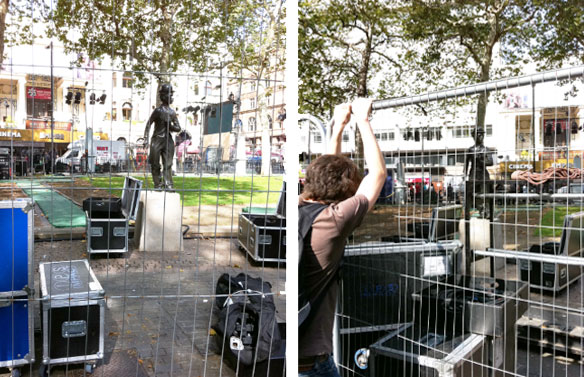
Papal Visit 2010